Bluffing is less about telling a confident lie and more about convincing a room full of sceptical blokes you actually hold the nuts. Most players overdo it, tossing chips like confetti at a Brisbane street parade and hoping someone folds out of pity. Real pressure comes from timing, position, and reading tells that don’t involve a twitchy eyebrow. If you want to understand how to win at poker bluffing without turning your bankroll into loose change, you need discipline, not drama. The tables don’t reward theatricals; they reward patience and a decent read on your opponents.
Reading the Room Before You Spend a Chip
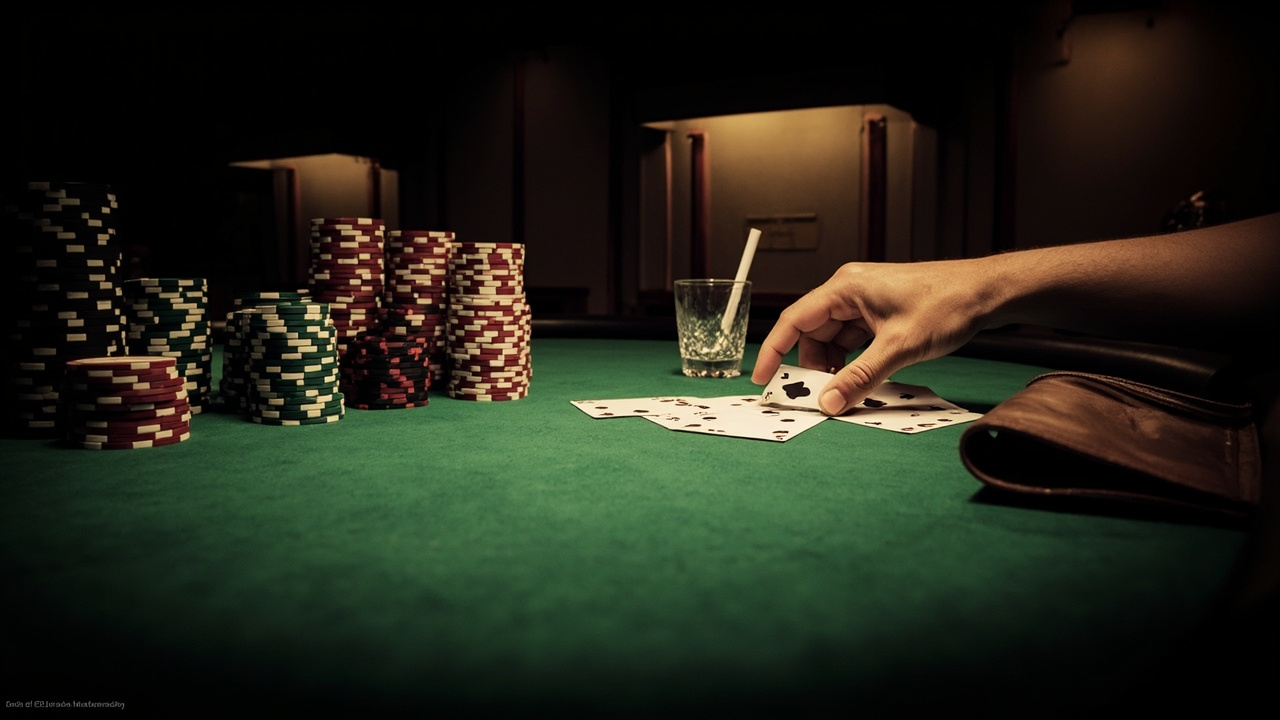
A solid bluff starts long before your cards hit the felt, because the lobby tells you who you’re actually sitting against. A well-organised game mix matters here: if the tables are stacked with loose-aggressive regulars who call too wide, your semi-bluffs will get snapped up like cheap sausages at a weekend market. Look for tables where the average pot size sits moderate and the fold-to continuation-bet rate climbs above thirty-five percent, which signals players who respect aggression but don’t panic every time. Position is your real leverage, so you want to be acting last on the river when the board runs dry and your opponent has shown weakness through a check-call or a hesitant lead. A tight image helps, because if you’ve been folding marginal hands and only showing down value bets, a single well-timed bluff carries weight instead of sounding like a broken record. When the action gets busy as a Brisbane brunch queue on a Saturday, step back and wait for a spot where your story actually lines up with the cards you represent.
When the Story Fits the Board
The best bluffs wear a believable costume, which means your line has to match the run of the board and the hands you could reasonably hold. A dry board with scattered high cards lets you represent an overpair or a missed continuation, while a coordinated texture full of draws forces you to ask whether you’re actually selling a hand that makes sense. If you’ve been firing two barrels and the river completes a flush or straight, continuing becomes a gamble unless your opponent has shown a tendency to fold to third-street pressure. Mixed games and live tables add a different flavour, because European and UK rooms often run tighter, more structured limits where players respect aggression but punish reckless lines faster than a Kiwi referee at a rugby scrum. That contrast matters: overseas cash games can reward frequent, calculated pressure, whereas Australian home games and local clubs tend to call down lighter, so your bluff frequency needs to shrink and your targeting needs to sharpen. A $1/$2 live spread with a $300 effective stack and a thirty-cent ante gives you enough room to apply pressure without blowing up the pot on the first sign of resistance.
| Detail | What to Expect |
|---|---|
| Game mix | Hold’em, Omaha, mixed tables, live lobbies |
| Stakes | Micro to mid-stakes cash, structured tournament buy-ins |
| Position focus | Late-position leverage, river storytelling |
| Image building | Tight early, selective aggression, consistent lines |
| Table selection | Fold-to-cbet above 35%, moderate pot averages |
Keeping Your Story Straight Across Streets
Consistency is the quiet engine behind any bluff that actually works, because a single contradiction in your line can hand the pot away for free. If you represent a strong hand on the flop and turn, then suddenly check-raise the river with nothing, you’re not building pressure – you’re handing your opponent a free lesson in reading you. Stack sizes dictate how far you can push, so a short stack forces you to commit earlier while a deeper stack lets you drip-feed aggression and let the board do the talking. Bet sizing matters just as much, because a tiny probe bet tells a different story than a committed river shove, and smart opponents will price in your range accordingly. When you’re playing across different formats, the same principle holds: a disciplined line in a tournament bubble differs from a cash game where you can rebuy and reset, but the core idea stays the same – your actions need to line up with the hand you’re pretending to hold. If you’re tracking your own tendencies, you’ll spot the leaks faster than a mate spotting a dodgy sausage roll at a lunchroom counter. bonusrocketplay.org
Knowing When to Fold the Bluff
Knowing when to give up is what separates a calculated bluff from a slow bleed, because persistence without a reason just turns you into a donation machine. If your opponent shows strength through a raise, a call-down, or a timed stop-and-go, you need to respect that signal instead of doubling down on pride. Bankroll discipline keeps you in the game long enough to learn, so set a session limit, stick to stakes where a bad run doesn’t wipe you out, and walk away when the table dynamics shift against you. If you’re hunting for a bit of extra room to manoeuvre on the side, you can check bonusrocketplay.org for current promos, but treat any incentive as a bonus to the game, not a reason to overplay marginal spots. The same caution applies to side games and other table formats, and if you’ve ever wondered about Keno Online: Is It Worth It for Australian Players? you’ll find that passive number games don’t teach you the same pressure skills as a well-timed bluff at a live table. Bluffing rewards restraint, observation, and the willingness to fold a good story when the facts say otherwise.

Bluffing well isn’t about being the loudest voice at the table; it’s about picking your moments, telling a line that fits the cards, and walking away when the room stops buying it. Australian players tend to call lighter than some overseas crowds, so your bluffs need to be more selective, your sizing more deliberate, and your ego firmly in your pocket. Master the tells, respect the position, and let the folds come to you instead of chasing them. Keno Online: Is It Worth It